Modern society depends on constant digital connection. Communication, information access, and daily workflows now revolve around software-driven systems that are expected to function at all times. Schools are no exception. Alongside power and telecommunications infrastructure, K–12 campuses rely on interconnected digital ecosystems to operate safely and efficiently.
Recent large-scale outages have reinforced how vulnerable these systems can be when connectivity fails. Over the past year, widely used collaboration platforms such as Slack and Zoom experienced service disruptions. Major cloud and infrastructure providers, including AWS, Google Cloud, and Cloudflare, also reported outages with widespread impact. In July 2024, a faulty software update from CrowdStrike triggered a global disruption that affected approximately 8.5 million devices, including public safety systems and 911 dispatch centers.
In November 2025, a Cloudflare outage caused by a configuration error disrupted access to millions of websites worldwide. The incident prompted national discussion around the risks associated with centralized internet services and the cascading effects that can occur when a core component of the web infrastructure fails.
Within the technology community, offline resilience has become a practical requirement for systems that support essential services. When networks operate as expected, workflows remain uninterrupted. When they do not, operations can slow or stop entirely.
Going Offline Without Disrupting Operations
Across the globe, billions of people already function without reliable internet access. Limited connectivity, intermittent service, or intentional disconnection have shaped how modern applications are designed. As a result, many platforms now prioritize offline-first capabilities, allowing essential functions to continue even when network access is degraded or unavailable.
Offline-first systems are designed to operate during slow connections, intermittent outages, or extended downtime. Core functionality runs locally, while cloud services enhance performance and synchronization when connectivity is restored. These systems rely on several foundational techniques:
- Local data persistence to retain critical information
- Background synchronization to reconcile changes once connectivity returns
- User interfaces that allow actions to continue without interruption
Network failures rarely occur in isolation. They often affect multiple services at once, disrupting communication, data access, and operational workflows. Productivity slows, staff time is lost, and decision-making becomes more difficult under pressure.
In K-12 environments, these disruptions carry immediate operational and safety implications.
Offline Resilience in K-12 School Safety
Emergency notification systems, access control, visitor management, attendance tracking, and communication platforms within K-12 schools depend on stable connectivity. Network outages can stem from software failures, extreme weather, power disruptions, or damage to local infrastructure.
When access control systems lose connectivity, doors may fail to respond as expected, affecting both security and emergency egress. Panic buttons and alerting systems depend on reliable communication paths to reach administrators, first responders, and law enforcement. Delays in message delivery can affect response coordination during critical incidents.
Operational systems are also impacted. During outages, staff may lose access to student medical information, emergency contacts, attendance records, and location data. The absence of real-time information complicates decision-making and increases stress during already challenging situations.
Planning for Network Failure
Preparedness for network disruption is increasingly part of operational planning across sectors. In K-12 settings, administrators often maintain physical copies of essential records to support continuity during outages. These measures help sustain basic operations during prolonged connectivity interruptions.
IT teams typically require more structured guidance tied directly to safety systems and operational protocols. A network contingency checklist can provide a clear framework for maintaining core functions during outages. Such checklists often align with four operational phases:
-
Immediate communication
-
Continuity of critical functions
-
Hardware and security status
-
System recovery and restoration
Key considerations include:
-
Communication alternatives when VoIP systems are unavailable
-
Methods for contacting parents and guardians
-
Offline access to emergency lists and critical records
-
Door and access control status during outages
-
Backup power availability for servers and network equipment
-
Data integrity verification after systems are restored
Each school environment has unique requirements, and contingency plans vary accordingly. Structured guidance reduces uncertainty and supports consistent responses when systems are under strain.
A Platform-Based Approach to Resilience
School safety systems increasingly operate as part of a broader operational framework that influences student well-being, staff capacity, community trust, and district governance. Fragmented tools increase complexity for IT teams and staff responsible for day-to-day operations.
A unified platform approach consolidates safety, communication, incident management, and data workflows within a single environment. Integration across systems supports continuity during both connected and disconnected states, while reducing long-term disruption to operations and data security.
-
Benefits commonly associated with platform-based approaches include:
-
Reduced system complexity
-
Faster coordination during incidents
-
Lower operational overhead
-
Improved usability and adoption
Kokomo24/7® School Safety Cloud®
The Kokomo24/7® School Safety Cloud® provides a unified platform designed to support school safety workflows across varying connectivity conditions. The platform integrates with district systems while maintaining operational continuity during network disruptions. Its architecture supports:
- Cloud-based deployment
- Interoperability with existing systems
- Scalable infrastructure
- Efficient administration
- Long-term adaptability
Emergency situations cannot always be prevented, but preparation, detection, and response capabilities can be strengthened through integrated systems that maintain functionality during disruptions.
Connectivity as an Assumption, Resilience as a Requirement
Continuous connectivity has become an operational expectation, yet disruptions remain unavoidable. Schools operate as physical environments where safety responsibilities persist regardless of network status.
Offline resilience supports continuity during outages and reduces operational disruption across instructional, administrative, and safety functions. Systems designed with resilience in mind enable schools to maintain stability, protect students and staff, and recover efficiently when connectivity is restored.
Safety protocols depend on people, processes, and technology working together under all conditions. Systems that continue to function when networks do not are now an essential part of K-12 operational planning.
About Kokomo24/7®
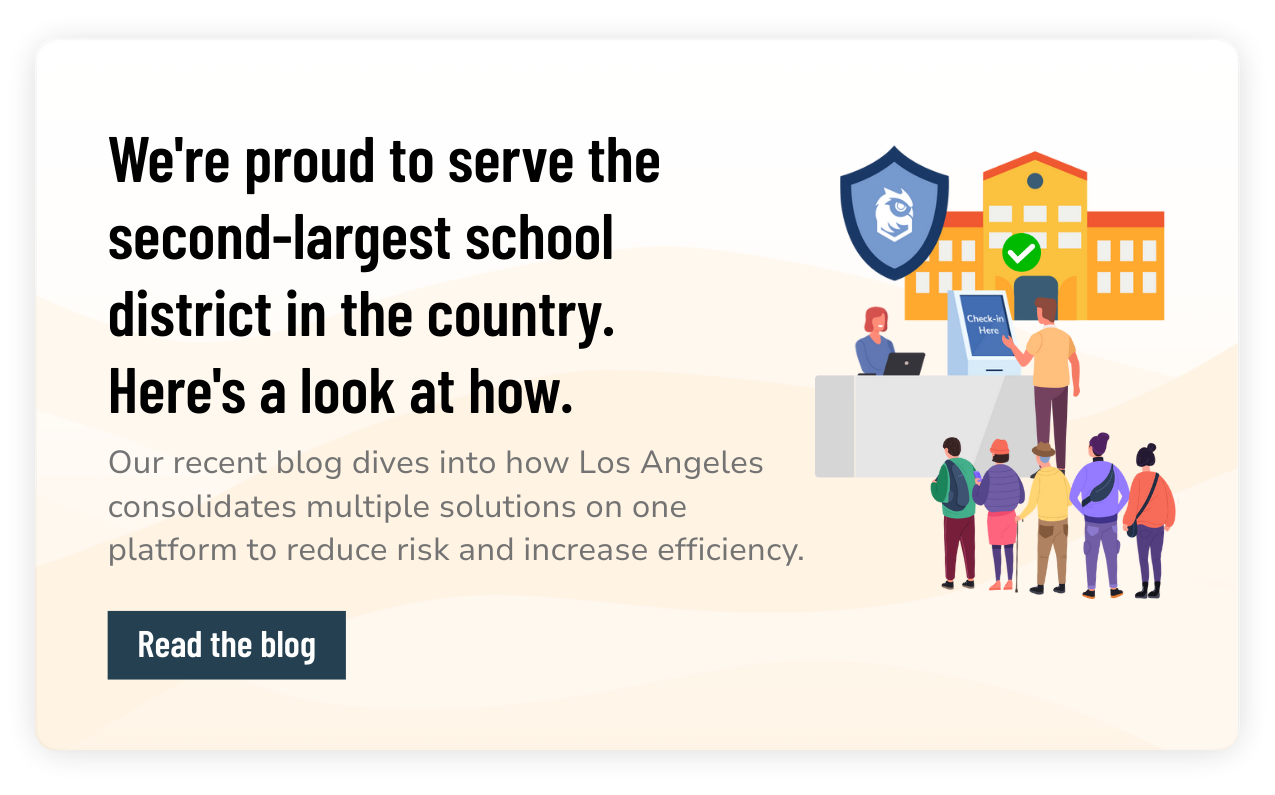
Since 2018, Kokomo24/7®’s configuration-based platform has helped over 120 national and global organizations respond quickly to safety, wellness, and compliance needs. From visitor management to behavioral threat assessment and emergency alerts, Kokomo24/7® powers holistic school safety for a better everyday experience.

 CASES™
 ESCALATE™
 TRIAGE™
 NOTIFY™
 FORMS™
 ANALYTICS™
 HOST™
HOST™ OWLPASS®
 ACCESS™
 WELLNESS™
 CREDENTIALS™